SATISFACTION IS GUARANTEED!

Free Call

(754) 218-2365

Choose the Right Paver for Your Walkway

Choosing the right paver for your walkway is essential. It should be water-resistant, durable and have the right dimensions. Thickness is also key to ensure longevity and durability. To make the right choice, pick a paver that matches the aesthetic of your outdoor space. It’s important to select reliable, trustworthy sources to make sure it meets all industry standards and quality requirements. Unlike picking a flavor of ice cream, this decision isn’t easy!

Factors to Consider when Choosing Pavers

When selecting pavers for a walkway, there are several factors that need to be taken into consideration. These factors will impact the overall aesthetic, functionality, and longevity of the walkway. Here are some things to consider:

Factor

Description

Material

The material of the pavers will affect the durability, appearance, and maintenance of the walkway.

Size and Shape

The size and shape of pavers will determine the ease of installation, pattern options, and overall appearance of the walkway.

Color

The color of the pavers will impact the aesthetic and temperature absorption of the walkway.

Texture

The texture of the pavers will impact the safety and slip-resistance of the walkway.

In addition to these factors, it is important to consider the location, climate, and intended use of the walkway. When selecting pavers for a walkway, it is important to choose a material that is appropriate for the climate and intended use of the walkway. For example, if the walkway is located in an area with harsh winters, it is important to select a material that can withstand freeze-thaw cycles without cracking. Similarly, if the walkway will be used frequently, it is important to choose a material that is durable and low-maintenance. Some suggestions for selecting pavers for a walkway include consulting with a professional landscaper or hardscaper, researching different materials and their properties, and considering the overall aesthetic and functionality of the walkway. 

Choosing the Right Paver for Walkway

By taking these factors into consideration, you can ensure that your walkway will be both beautiful and functional for years to come. If these pavers were any tougher, they’d be able to withstand a stampede of elephants… or my Aunt Ethel after a few too many cocktails.

Durability

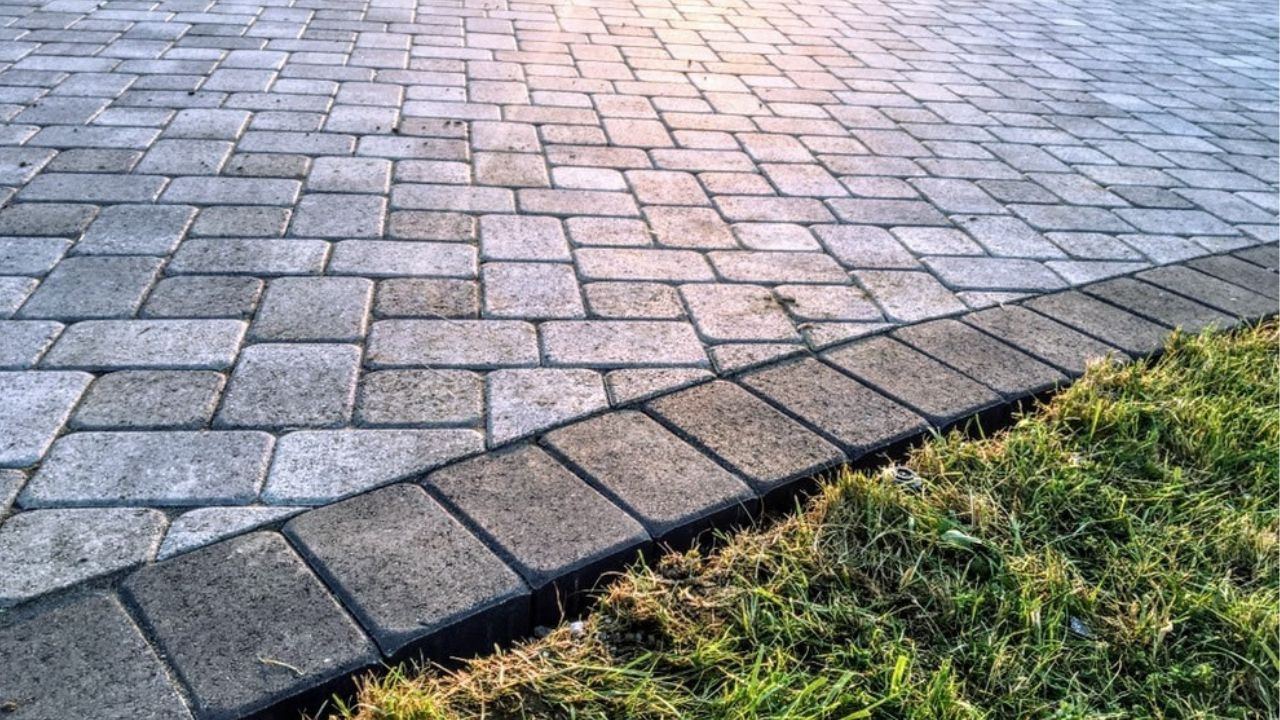
When selecting pavers, durability is key. Consider the material they’re made of, such as clay, concrete, or natural stone. Also think about how well they can resist foot traffic, UV rays, and water. Interlocking pavers are great for support and reducing erosion.

Traditional brick pavements have been around for centuries, but modern ones only gained popularity in the U.S. since the 1970s. Brick was originally used for more resilient buildings like castles or forts.

Taking these factors into account can save you time and money in the long run. Get the right paver design for your home or business property, just like the perfect mate, it takes time and thought but at least it won’t argue over TV shows!

Frequently Asked Questions

Common materials used for walkway pavers include brick, concrete, natural stone, and rubber.

The size and shape of the pavers depend on personal preference and the overall design of the landscape. Rectangular and square-shaped pavers are most common, but some prefer irregularly shaped natural stone pavers for a more organic look.

While some homeowners may choose to install pavers themselves, it is best to hire a professional. If the installation is not done correctly, it can lead to problems such as uneven surfaces, shifting, and cracking.

Maintenance for walkway pavers includes regular sweeping and occasional pressure washing to clean them. It is also important to refill any cracks or gaps between the pavers to prevent weeds from growing and maintain a level surface.

The lifespan of walkway pavers varies depending on the material used and the level of maintenance. Concrete pavers typically last 20-30 years, while natural stone pavers can last up to 50 years or more.

Yes, but it is important to select a material that can withstand freezing temperatures and thawing cycles. Concrete and natural stone pavers are good options for cold climates, but it is important to properly install and maintain them to prevent damage from frost and ice.

Get a Free Estimate For
Paver Installation

Call Us at

Style and Design

Aesthetics is a key factor for the selection of pavers. Their Style and Design can make or break the vibe of your outdoor living space. Pick a paver that reflects your preferences, complements its surroundings, and fits the overall design scheme.

Shows some Design Types and their Descriptions: Traditional, Rustic, Modern, and Mediterranean.

Design Type

Description

Traditional

A classic look with timeless appeal

Rustic

A natural and organic feel with rougher textures

Modern

A sleek and contemporary style with clean lines and geometric shapes

Mediterranean

A warm, earthy, and inviting look with bright colors and intricate patterns

Think about things like color, pattern, texture, and size when considering Style and Design. Also, keep in mind other factors like budget and maintenance expenses.

Remember, size and shape are important when picking pavers – otherwise, you’ll have an ugly driveway!

Size and Shape

Pavers come in various sizes and shapes, so it’s essential to pick the perfect one for your project. The right selection of size and shape can upgrade the design and guarantee functionality. Consider the table below when selecting paver size and shape for your project:

Paver Size

Shape

Recommended Use

6×9

Square

Walkways

12×12

Square

Patios, Decks

16×16

Square

Pool decks

4×8

Rect

Garden paths

When deciding on paver size and shape, extra factors must be considered. Think about if you need large or small pavers for the desired look or if curves or unique angles are needed. Additionally, other elements may depend on the overall appearance of the outdoor space.

Pro Tip: Make use of online visualization tools to get an idea of how the different paver sizes and shapes fit together. This will help you envision the end result and make sure it meets your expectations. Before you start, remember to check the area for any buried bodies – we don’t want any unexpected visitors at your next BBQ!

Preparing the Site for Your Walkway

Planning Your Walkway Site Requirements

Before installing pavers for your walkway, proper planning and preparation of the site is crucial. To create a sturdy and long-lasting walkway, you need to consider the materials, the land’s slope, and the contours of the area. Without proper planning, the results may be unsatisfactory in both aesthetics and functionality.

6 Steps to Prepare Your Walkway Site

To prepare the site for your walkway, follow these six simple steps:

  1. Begin by mapping out the desired path for your walkway using stakes and string. This will help you visualize the path and determine the exact area that needs preparation.
  2. Next, remove any grass or vegetation from the intended walkway area. This can be done using a shovel or a sod cutter.
  3. Ensure the ground underneath the walkway is level by adding or removing soil as needed. This can be checked with a level tool and making necessary adjustments.
  4. Add a layer of gravel to create a stable base. Compact the gravel using a tamper or a machine compactor to create a solid base for the pavers.
  5. Use sand as a final layer for the pavers to rest on. Level the sand evenly across the walkway area.
  6. Finally, use edging materials such as aluminum or plastic to secure the pavers and prevent shifting. This will keep the walkway sturdy and in place.

Additional Considerations for Preparing Your Walkway Site

To ensure a high-quality walkway, it’s important to consider drainage and slope to avoid standing water and ice accumulation. Consider using a drainage system or adding a slope to the walkway to prevent water accumulation in case of heavy rain or snowfall.

Don't Miss Out on a Beautiful Walkway - Start Preparing Your Site Today

Creating a beautiful and functional walkway requires attention to detail and proper preparation. Don’t miss out on the satisfaction of a job well done.

Start preparing your walkway site today and enjoy the benefits of a visually pleasing and durable walkway for years to come. Before you start paving, make sure your site evaluation is as thorough as your ex’s investigation into your Instagram activity.

Choosing the Right Paver for Walkway

Site Evaluation

Assessing the Land for Your Walkway!

Evaluating the area before building a walkway is essential. Measure the area, note any gradient changes, and assess soil drainage.

Site Evaluation

Measurements

Area

Length x Width

Gradients

Visualize slopes – digital or not

Soil Drainage

Percolation Testing

Factors such as foot traffic, drainage, and climate must be taken into consideration when planning the walkway. Additionally, choosing suitable materials and designing an appealing route are vital for a successful outcome.

Once upon a time, Jacob attempted to install a walkway without evaluating the land first. Sadly, he didn’t think about drainage, and puddles formed on the walkway after it rained. Don’t be like Jacob – always assess your land before any landscaping project!

Digging in dirt can be fun, but not when it’s for your walkway and not burying your enemies!

Excavation and Grading

The site preparation process involves changing the terrain for safe and suitable construction. Digging and grading of the ground is essential for a good walkway. To do this, sod or topsoil must be removed to get to the right depth. Grading is important to make sure the space is even before construction begins.

Your building team will look at variables such as drainage, ground steadiness, and height changes. Items and obstructions are taken away using heavy excavating machinery. Finish with precise leveling of the area.

Something that can affect the success of the walkway is compacting the excavated land. This ensures there are no gaps before installing materials.

Pro Tip: Have a plan that includes details like grading elevations and underground utilities before excavating. Without a strong base, your walkway could be dangerous.

Base Material

Foundation Material for Your Walkway: Essential!

The foundation material, also known as the base layer, is essential for preparing your walkway site. It’s a support system, preventing sinking, shifting or settling of the walkway.

Factors like soil type, climate and usage should be considered when choosing the right material. Options include gravel, crushed stone and sand.

Gravel:
Naturally occurring rock fragments, different sizes from pea gravel to coarser.
Advantages: Durable, allows drainage, low cost.
Disadvantages: Lacks stability, can shift.

Sand:
Fine granular material, grains bigger than silt, smaller than gravel.
Advantages: Inexpensive, easy to install, creates level surface when compacted properly.
Disadvantages: Poor drainage, not suitable for high traffic.

Choosing the Right Paver for Walkway

Crushed Stone:
Larger rock, crushed into angular pieces.
Advantages: Interlocking surfaces provide superior stability, good drainage.
Disadvantages: Dust can cause respiratory issues during installation without proper equipment.

Consult with a professional or check local codes & by-laws when selecting a material. Lastly, make sure it’s been compacted properly – a density test can confirm its structural integrity.

Remember, investing time & resources into site preparation will ensure a long-lasting, satisfying walkway. Warning: installing a paver walkway may cause sudden urges to show it off to everyone!

Installation Process for Your Paver Walkway

Installation Guide for Your Paver Walkway

Preparing for a paver walkway installation involves more than just digging and laying pavers. It requires careful planning and execution to achieve a seamless and durable result. Here’s a three-step guide for installing your paver walkway.

  1. Plan the Layout: Determine the dimensions of the walkway and mark the area with stakes and string. Clear the entire site of any debris and excavate the area to the desired depth. Then, create a sturdy base with gravel and sand, and plate compactor to create a stable foundation.
  2. Lay the Pavers: Once the base is set, begin laying the pavers in the desired pattern. Secure the pavers with edge restraints, and cut any pavers to fit the edges of the walkway. Use a leveled rubber mallet to tap each paver securely in place and make sure they are all level.
  3. Finishing Touches: Fill the gaps between the pavers with sand and use a broom to sweep it into the crevices. Compact the pavers using the plate compactor, and reapply sand until the gaps are filled and level.
Choosing the Right Paver for Walkway

To ensure the longevity and stability of your paver walkway, consider using polymeric sand instead of regular sand as it hardens when moistened.

Pro Tip: Before laying pavers, consider adding a layer of landscape fabric to prevent weeds from growing through the paver joints.

Get ready to put your artistic skills to the test as we pave the way to a beautiful and functional walkway design.

Setting Out the Design

Time to Design Your Paver Walkway!

Mark boundaries of the walkway with spray paint or a garden hose. Think about paver size, shape, pattern and design. Try out different materials and colors.

Take precise measurements and make accurate calculations.

Consult an expert for advice on drainage, soil preparation, and permits.

A Brief History of Paver Walkways:

  • Used by Romans to construct roads, plazas and public spaces.
  • Interlocking concrete pavers are popular due to their durability, versatility, and aesthetic appeal.
  • Proper installation and regular maintenance can extend its life and add value to your home or property.

Laying the Pavers

To create a paver walkway, follow these four easy steps:

  1. Prepare the area for your paver walkway.
  2. Spread a thin layer of sand or crushed stone on the base.
  3. Lay the pavers in the desired pattern.
  4. Tap each paver with a rubber mallet to level it with the others.
  5. Repeat until all the pavers are in place.
Choosing the Right Paver for Walkway

To complete the look and increase durability, add polymeric sand between the joints. This will stop weeds from growing and make the walkway more stable.

Follow these steps for a professionally-looking walkway that will last for years. Don’t forget to take pride in making it look perfect. Cutting pavers is like surgery on concrete but without a medical degree!

Want to add value to your property? Choose our professional paver installation services for a high-quality upgrade that will last for years to come.

Cutting the Pavers

Cutting pavers requires precision and care. To get it just right, measure and mark the area with chalk or a pencil. Use a wet saw with a diamond blade and wear protective gear like gloves and goggles. Take your time, and let the saw do its work. Don’t force it down too hard. Be aware that corners can be more vulnerable to breaking.

Prepare your tools before starting; it’ll make the job easier. If you’re not sure you can handle it, consider hiring professionals. In the end, taking care of your paver walkway is worth the effort.

Maintenance Tips for Your Paver Walkway

 In order to preserve the longevity of the paved walkway in your outdoor space, here are some essential maintenance tips.

  • Regular Cleaning: Clean the pavers regularly with a mix of water and mild soap to avoid buildup of dirt, stains and mold.
  • Weed Control: Pull weeds as soon as they appear, before they have a chance to grow deep roots and dislodge the pavers.
  • Fill the Joints: Add joint sand to maintain a tight fit between the pavers and prevent the growth of weeds.
  • Moss and Algae Control: Once moss or algae start to grow, treat with bleach or vinegar solution. Remove the growth and apply a sealant to prevent future growth.
  • Sealing: Seal the pavers at least once a year to enhance their durability and protect them from fading due to UV light exposure.

 To ensure the paver walkway remains structurally sound and visually pleasing, these maintenance tips should be practiced year-round. Be sure to address any irregularities or changes in the pavers as soon as possible in order to prevent further damage.

Pavers have been used for centuries to create pathways and driveways due to their ability to withstand heavy use and weather conditions. The earliest example of pavers being used in this way comes from ancient Rome, where cobblestones were used to pave the streets. Even today, pavers remain a popular and reliable choice for outdoor surfacing.

Regular cleaning of your walkway pavers is like giving your ex’s number a quick delete – it’s necessary for a fresh start.

Regular Cleaning

Keep Your Paver Pathway Looking Great!

Clean your pathway regularly to keep it looking fantastic.
This prevents dirt and debris from accumulating.

Weed and moss growth between paving stones must be removed.
This stops permanent damage to the pavement.

Semimonthly, inspect your path for signs of cracking or chipping.
Early detection will prevent serious issues.

Choosing the Right Paver for Walkway

A study by The National Association of Home Builders (NAHB) shows hardscapes, like paver pathways, increase property resale value by 6%.

Seal your pavers to protect them from the elements – like giving them a raincoat!

Sealing the Pavers

Preserve Your Paver Walkway Surface!

For a longer lasting paver walkway, sealing is key. Sealing can prevent damage from weather, traffic, and spills. Here are 6 steps for sealing your pavers:

  1. Find a top-notch sealer.
  2. Clean the surface with a pressure washer or broom.
  3. Let it dry before sealing.
  4. Pour the sealer and spread it with a brush or roller.
  5. Wait 24 hours before applying a second coat, if needed.
  6. No foot traffic or movement on the surface until it’s dry, approx. 48 hours later.

Ensure you don’t miss any spots while spreading the sealer. Cover all corners, edges, and crevices for optimal results. Regular sealing of pavers will increase its life.

Choose a high-quality sealer that fits your needs for an effective and long-lasting result.

Fun Fact! ‘The Spruce’ says installing a paver walkway could boost your home’s value by 20%. Fixing a damaged paver is like surgery, minus the malpractice insurance.

Repairing Damaged Pavers

After being used for a while, pavers may get damaged and require repairs. To keep it in good condition, regular maintenance activities like repairing damaged pavers are necessary. Here’s a guide to help you:

  1. Inspect the walkway and spot any damaged pavers.
  2. Carefully remove sand and debris around the area to observe the damage.
  3. Remove the broken paver without causing more harm.
  4. Clean out dirt and debris from the space, then fill it with new sand.
  5. Make room for the new brick and make sure it fits in perfectly. Use sand to level it with other pavers.
  6. Compress the soil with a tamper or board. Fill and press any gaps between bricks with extra sand.

It’s essential to get replacement bricks that are similar to the original ones in shape and size. Additionally, repair any cracks quickly; if left unattended, they may lead to costlier issues. Show off your perfectly maintained paver walkway, because if someone trips on it, you’re not responsible!

Conclusion: Enjoying Your Beautiful Paver Walkway

The look and practicality of your outdoor space is boosted by a paved walkway. Using top-notch materials and careful installation, you can have a gorgeous, long-lasting addition. Cleaning and sealing the pavers on a regular basis will prolong their life and secure your investment from natural wear and tear. Also, the slope must be such that water drains off properly. Following these simple steps will let you enjoy a stunning paver walkway for years.

For a more visually pleasing walkway, think of patterns or different colors. Adding plants or lighting to the surroundings can further beautify the walkway at night. The texture of some pavers is also highly slip-resistant, making it safer to walk in bad weather.

Before beginning the installation, consider the size of the area, accessibility, slope and budget. Get help from experts so that you make smart decisions.

A homeowner’s house value increased after they installed a paver walkway leading up to their front door. Their neighbors were amazed at how much prettier their home looked after the upgrade. During summer evenings, the family and friends had a great time outside on their new charming paver walkway.

Let Us Help Our Paver Contractors

Check out the video

TESTIMONIALS

What Our Customers Say

Visit Citys in Florida

Miami

Miami, the Magic City, is a vibrant metropolis known for its beautiful beaches, colorful art deco architecture, and lively nightlife. South Beach, with its iconic Ocean Drive and trendy beach clubs, is a magnet for sun-seekers and party-goers. Explore Little Havana for a taste of Cuban culture, indulge in delicious cuisine, and visit the world-class museums and galleries. Miami’s unique blend of cultures and energetic atmosphere make it a must-visit destination.

Orlando

Orlando is synonymous with fun and entertainment, thanks to its world-famous theme parks. Walt Disney World Resort, Universal Studios, and SeaWorld Orlando draw families and thrill-seekers from around the globe. Beyond the theme parks, Orlando offers excellent shopping, dining, and outdoor activities, making it a perfect destination for all ages.

Everglades National Park

The Everglades National Park is a unique and vast ecosystem that protects the largest tropical wilderness in the United States. With its swamplands, mangroves, and diverse wildlife, including alligators and endangered species, it offers an unforgettable experience for nature enthusiasts. Explore the park through airboat tours, hiking trails, and ranger-led programs to discover the beauty and importance of this delicate ecosystem.

Stay In Touch

Be the first to know about new arrivals and promotions