
Pavers For Backyard
Are you searching quality Pavers For Backyard for your home? Unleash the full potential of your backyard with the captivating beauty of pavers. Whether you’re looking to create a charming patio retreat, an inviting walkway, or a picturesque gathering space, pavers offer endless design possibilities to bring your vision to life. Elevate your outdoor aesthetics with a harmonious blend of textures, colors, and patterns, all while enjoying the practical benefits of a durable and low-maintenance surface. Transform your backyard into an enchanting escape that reflects your style and becomes a focal point for relaxation and entertainment. Discover the transformative power of pavers and turn your backyard into a true masterpiece of design and functionality.
Types of Pavers for Backyard
To make your backyard stand out with a durable and elegant finishing, you need to select the perfect pavers. In order to assist you in making a wise decision, this section covers the various types of pavers for your backyard, including concrete, brick, stone, and rubber pavers.
Transform your backyard into an enchanting escape that reflects your style and becomes a focal point for relaxation and entertainment. Your backyard becomes not just a space, but a personalized masterpiece that tells your story through the artful arrangement of these remarkable elements.
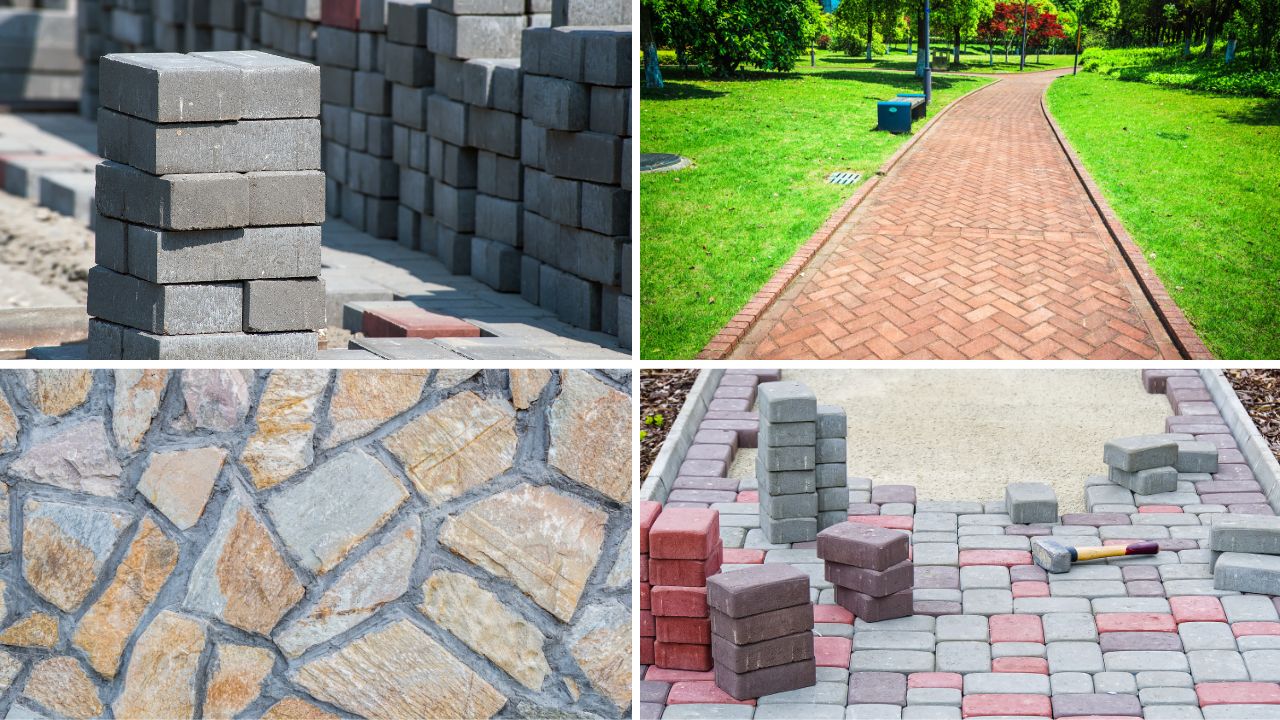
Concrete Pavers
One of the most popular types of pavers used for backyard landscaping are rectangular concrete bricks. These versatile blocks come in a range of colors and textures, making it easy to create unique designs that complement any outdoor space.
Below is a table showcasing the different characteristics of concrete pavers:
Type | Size (inches) | Texture/Finish | Color Options |
Standard Concrete Paver | 3.5×7, 4×8, 6×9 | Rough or smooth finish | Tan, Gray, Red, Charcoal, Brown |
Cobblestone Paver | Varying sizes and shapes | Natural stone texture and finish | Tan, Gray, Red, Charcoal, Brown (or mixed) |
Pervious Concrete Paver | Varying sizes available for different traffic applications | Absorbs water into the ground below instead of runoff into storm drains. The surface allows rainwater to filter through to recharge local groundwater level. This type is ideal for areas where paving may cause excess precipitation levels. | Tan, Brown, Grey |
Concrete pavers offer a high degree of durability and strength against harsh weather conditions. They’re also low maintenance, and can be easily replaced if one is damaged or needs to be altered. However, it’s important to note that concrete pavers may crack over time due to ground shifting or heavy traffic.
Did you know that concrete paving stones have been used for centuries? The ancient Romans were some of the first people to use these types of pavers for roads and walkways.
Frequently Asked Questions
Pavers are pieces of concrete, stone, or brick that can be used to create a stable surface for walking, driving, or outdoor home projects.
Pavers can improve the look of your backyard by creating a consistent and durable surface. They can also provide better drainage, prevent soil erosion, and reduce the amount of maintenance required for your backyard.
The most common types of pavers for backyards include concrete, stone, and brick. Concrete pavers are popular due to their affordability and versatility. Stone pavers are ideal for a more natural look and often come in irregular shapes. Brick pavers offer a timeless and elegant look and can be arranged in intricate patterns.
When choosing pavers for your backyard, consider the function and style of your space. Concrete pavers are ideal if you are on a budget, while stone pavers are better suited for a natural or rustic feel. Brick pavers are great for a classic look, and can even be color-coordinated with your home’s brickwork.
While it is possible to install pavers on your own, it can be a time-consuming and physically demanding task. Hiring a professional to install your pavers can ensure that the job is done correctly and efficiently.
To maintain your pavers, sweep them regularly to remove debris and prevent weeds from growing between the cracks. You can also clean them with a pressure washer and apply a sealant to protect them from weather and stains.
Brick Pavers
One of the most popular paver options for your backyard is made with fired clay, and can come in a variety of colors, sizes and shapes. The texture and durability make them ideal for high traffic areas.
Paver Type | Size | Color Options |
|---|---|---|
Standard Brick Pavers | 3 5/8″ x 7¾” | Red, Brown, Tan, Buff, Grey |
Cobblestone-style Pavers | 4″x8″ | Brown, Red, Tan |
Interlocking Pavers | Varying (rectangular or square) | Varying (dependent on manufacturer) |
People often choose brick pavers due to their versatility. However, it is important to get an experienced contractor that knows how to properly lay these types of pavers in order to prevent any future problems with drainage or uneven surfaces.
A while ago when I was at a friend’s backyard barbecue party hosted on her newly renovated backyard patio area featuring beautiful brick pavers carefully selected by her architect. Everyone complimented on how gorgeous it turned out – from the detailed and unique patterns to its durability during the party’s activities.
When it comes to stone pavers for your backyard, remember: If it ain’t rockin’, don’t bother knockin’.
Stone Pavers
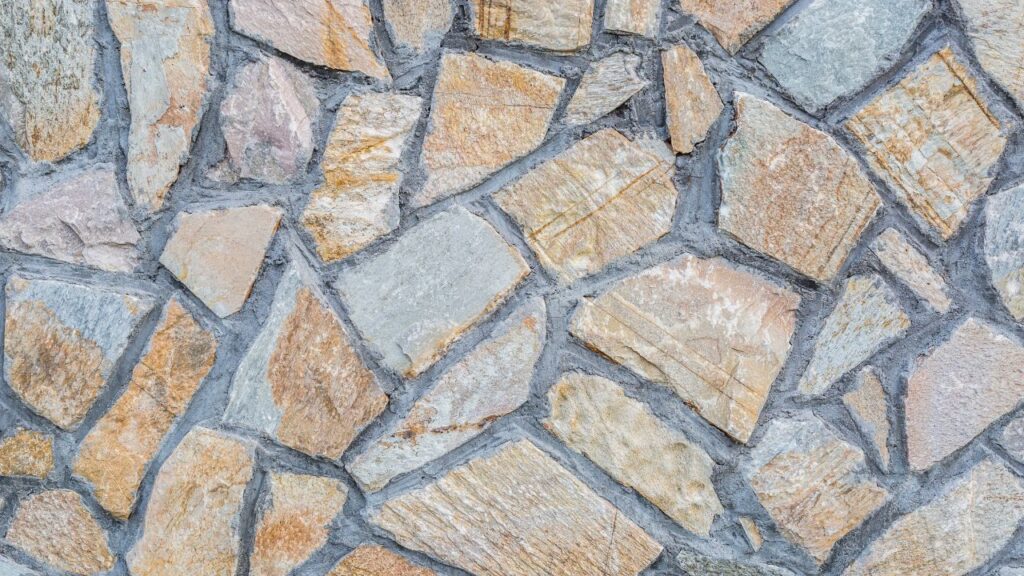
Stone Paving Blocks are widely used as a landscaping element for their durability, versatility, and the wide range of design possibilities they offer. They are available in a variety of materials such as granite, sandstone, limestone, marble, and travertine.
The following table shows the pros and cons of different materials:
Material | Pros | Cons |
Granite | Durable and Hard-wearing | Slip-resistant texture | Wide range of colors and finishes | Expensive | Not suitable for high-moisture areas | Requires sealing maintenance |
Sandstone | Natural appearance | Warm tones and hues | Easy to cut and shape | Porous surface prone to staining | Can chip or crack easily | Requires regular cleaning and maintenance |
Travertine | Offers natural beauty with unique striated patterned surface | Comes in neutral shades that blend with any backyard aesthetics | Difficult to install without professional assistance due to porosity | Requires regular maintenance |
Travertine is another popular option that offers a natural beauty with its unique striated patterned surface. They come in different neutral shades such as beige, cream, or walnut-colored tones that seamlessly blend with any backyard aesthetics. However, it is difficult to install without professional assistance due to its porosity.
For an avant-garde look, slate pavers could be an ideal choice that comes in uniform shapes and sizes with contemporary grey-white-black color variance that exudes modernity to your outdoor space.
To create a focal point at night time or on gloomy days you can choose luminous pavers or light up sections by using string lights woven through the walkway along.
As a final (and quirky) option, you could use rubber pavers instead of stone. They are easy on the feet and come in a variety of colors, but may not offer the same aesthetic appeal as stone.
Rubber Pavers
These pavers are made from recycled rubber and serve as an excellent option for homeowners looking for eco-friendly solutions. They are skid-resistant, making them perfect for outdoor areas with high traffic volumes. They are also easy to install and maintain due to being lightweight. The most important factor to consider when utilizing rubber pavers is adequacy in draining water.
- Rubber Pavers come in various sizes, shapes, designs, and colors, providing a wide range of options for consumers to choose from.
- Due to their flexibility, these pavers can seamlessly blend with any outdoor space’s architectural style.
- Besides the aesthetic value they add to your backyard or patio space, they absorb shock well and provide a comfortable walking surface.
- Rubber Pavers are cost-effective compared to other forms of paving materials while still providing durability.
Rubber pavers offer an environmentally friendly solution for your backyard space while still providing functional benefits. However, it’s essential to note that they require proper installation procedures like any other paving material.
Rubber Pavers date back several years when architects thought ahead of how we could reuse scraps or recycle waste materials rather than discarding them. They saw an opportunity in used tires and decided to explore different ways of incorporating them into outdoor living spaces. This led to the invention of rubber paver bricks, which have grown in popularity over the years due to their weather-resistant nature and versatility.
Before you commit to pavers for your backyard, consider this: your choice could make or break your ability to impress your in-laws.
Want to add value to your property? Choose our professional paver installation services for a high-quality upgrade that will last for years to come.
Factors to Consider Before Choosing Pavers for Backyard
To choose the perfect pavers for your backyard, you must consider various factors such as budget, climate, durability, design and aesthetics, and maintenance. Each of these sub-sections plays a key role in determining the suitability of the pavers for your backyard.
Budget
Choosing Pavers for your Backyard: The Consideration of Financial Aspects
Allocating a budget for backyard pavers can be challenging. Here are 4 factors to consider that can help you make an informed financial decision:
- Material Cost: the price varies based on the type of paver, typically ranging from $3-$10 per square foot.
- Installation Cost: this factor includes labor, tools, and equipment charges that can depend upon the size and complexity of the project – averaging between $4-$6 per square foot.
- Maintenance Cost: regular maintenance like power washing and resealing may increase the cost over time – so keep in mind what long-term upkeep looks like.
- Miscellaneous Costs: damage repair or replacement due to inclement weather, erosion, or contractor errors should also be factored in your budget.
Aside from these considerations, remember to work with reputable installers to ensure proper installations that will last years without posing safety risks or requiring frequent repairs.
Fun Fact: According to an article by Home Advisor®, landscaping costs can reach up to $12,000 depending on various factors including material selection.
Before choosing your pavers, make sure they can handle the heat – unless you’re into the whole ‘walking on hot coals’ thing.
Climate
When selecting pavers for your backyard, it is crucial to consider the varying climates they will be exposed to. The fluctuating weather patterns require durable materials that can withstand harsh conditions.
Pavers that have a high-quality sealant or coating are ideal for areas with hot and dry climates. This protective layer prevents the pavers from fading or cracking due to intense sun exposure. In contrast, regions that experience snow and frequent rainfall demand surfaces that have excellent drainage capabilities. Porous pavers are an excellent option in such damp environments as they offer better water flow and reduce any potential slip hazards.
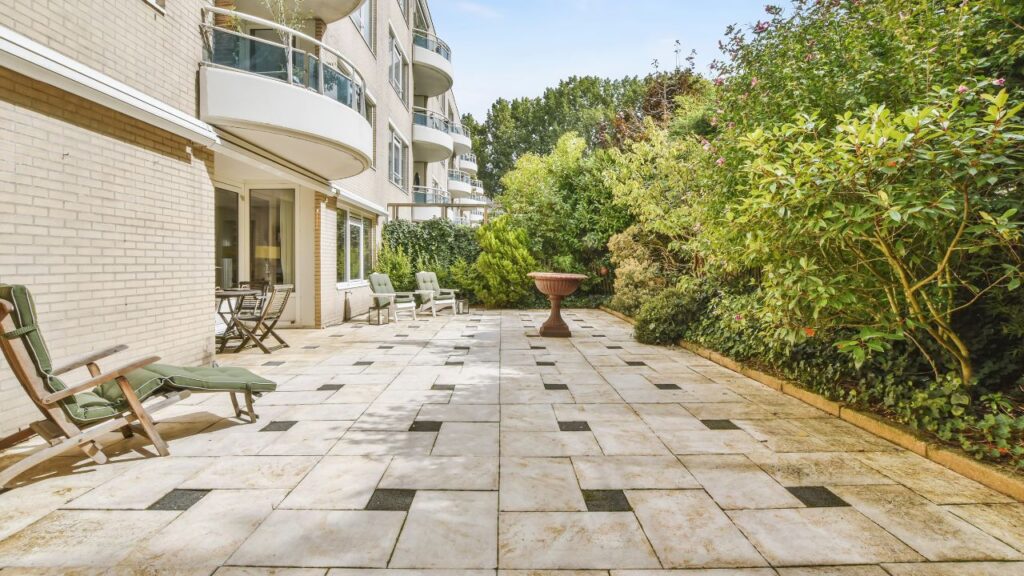
It is important to note that some materials like natural stone may require extra care in wetter climates as they can become slippery when wet. Consequently, outdoor spaces that will receive ample foot traffic should feature textural pavers with rougher finishes.
Considering climate conditions will help you narrow down the perfect paver material for your backyard design. Failing to do so may result in costly damages or injuries.
Choose wisely to enjoy a beautiful and functional outdoor living space year-round!
Your backyard pavers should last longer than your last relationship.
Durability
For pavers, choosing materials that last long and remain durable is paramount. The longevity of a paving stone is subject to various factors such as the density, porosity, and overall wear-resistance of the stone material. Here are some additional points to consider when examining the durability of a particular paver:
Factors | Description |
|---|---|
Thickness | The thicker the paver, better it can withstand heavy loads and pressure without breaking down. |
Water-Absorption Rate | While selecting pavers, its water-absorption rate should be checked as high rates indicate early deterioration. |
Climatic Conditions | The durability factor will depend on climatic conditions like temperature fluctuations. |
It’s essential to note that certain types of natural stones like granite, bluestone, and sandstone hold up against weathering much better than other materials and have thus stood the test of time in terms of strength and durability. Understanding these specifics ensures that your choice of pavers can maintain optimum performance over several decades.
Purchasing durable pavers for your backyard demands research and understanding. By gauging their thickness, absorption level, material composition, weight handling capacity, climate suitability alongside other criteria, you’ll be well equipped to make an informed decision.
Historically speaking, Roman architects were famous users of natural stone like travertine which provided long-lasting functionality in structures. For instance: The Colosseum was built with travertine that was highly valued for its incredible resistance properties. Today’s homeowners share the same desire for sturdy paving stones for their backyards so that they can invest comfortably in durable installations.
Your backyard paved with style, elegance, and functionality – but let’s be real, mostly just style.
Design and Aesthetics
For enhancing the beauty of backyard landscaping, the selection of pavers holds great importance. As they come in different designs and styles, it is essential to choose the right ones according to overall aesthetics.
A table displaying a list of styles and patterns alongside their respective characteristics can be helpful for choosing the perfect pavers that suit backyard aesthetics. For instance, if the backyard has a modern and minimalist design, going for simple geometric patterns like checkerboard or herringbone can accentuate its look. On the other hand, traditional-style backyards with intricate designs can complement each other well with circular or spiral-shaped paver patterns.
In addition to patterns and design choices, it’s also important to consider colors that go well with plants and flowers present in your backyard. Proper color coordination with other elements will enhance visual appeal and provide a calming effect.
Pro Tip: Playing with contrasting shades while maintaining harmony will give an inviting look to your backyard paving.
Just remember, if you choose pavers that require high maintenance, it’s like signing up for a second job… without any pay.
Maintenance
Maintaining the Pavers in Your Backyard
It is essential to maintain the pavers in your backyard to retain their look and longevity. Here are some factors to consider for maintaining the pavers:
- Regular Cleaning – Sweep and pressure wash regularly to prevent dirt and debris buildup.
- Sealing – Apply sealers to prevent water seepage, stains, and discoloration.
- Weed Control – Remove weeds and moss before they take root in the joints between pavers.
- Repair Cracks – Refill cracks with sand and apply polymeric sand stabilizer.
- Avoid Chemicals – Do not use harsh chemicals that can damage or discolor the pavers’ surface.
- Snow Removal – Use plastic shovels or snow blowers with plastic blades to prevent damaging surfaces. Avoid using salt or deicers on pavers as it can damage them over time.
You should also check for specific maintenance requirements based on the type of paver material used. Additionally, consider seasonal weather changes that could affect the maintenance process.
A historical fact about maintaining pavers tells us that ancient Romans used cobblestone paving techniques that are still visible today. They maintained their roads by laying stones tightly together without mortar. Animal urine was sprayed on top, which acted as a binding agent for the stones.
Why hire a personal trainer when you can just install pavers for your backyard and get a workout at the same time?
Installation Process of Pavers for Backyard
To install pavers for your backyard with ease and accuracy, you need to follow a well-planned installation process. Proper preparation of the site, followed by the base installation, paver installation and finally, the finishing touches can help you achieve high-quality results. Let’s dive into each one of these sub-sections to understand them in more detail.
Preparation of the Site
For installing pavers in the backyard, first, prepare the ground by removing any debris or vegetation. Next, level the soil and compact it. Then lay down a layer of gravel and sand to aid in drainage and help prevent shifting. Finally, use a plate compactor to ensure an even and secure foundation.
It is important to take the time to properly prepare the site for paver installation as it will greatly impact the longevity and stability of the finished product. A well-prepared base will also minimize maintenance needs over time.
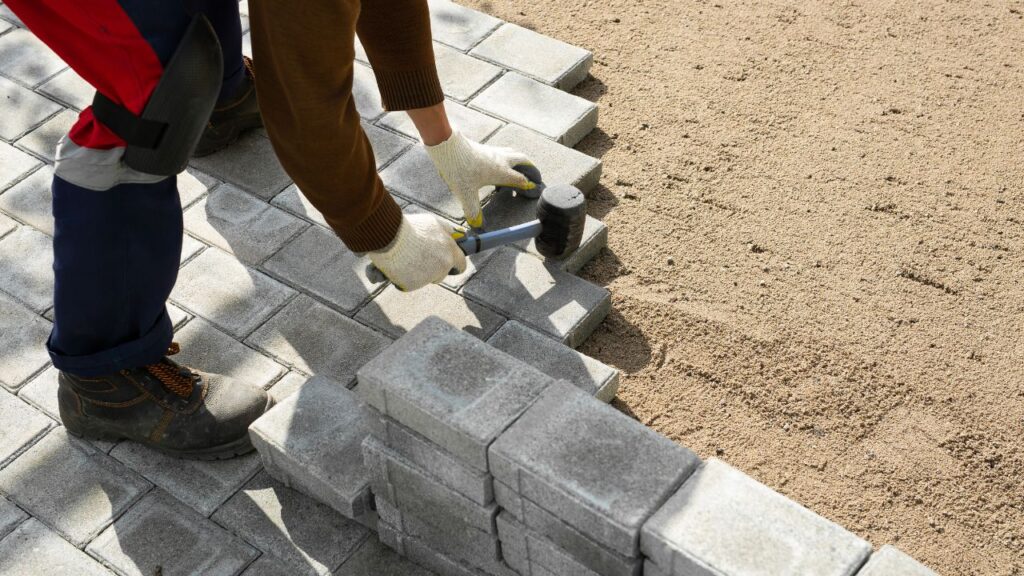
For installing pavers in the backyard, first, prepare the ground by removing any debris or vegetation. Next, level the soil and compact it. Then lay down a layer of gravel and sand to aid in drainage and help prevent shifting. Finally, use a plate compactor to ensure an even and secure foundation.
It is important to take the time to properly prepare the site for paver installation as it will greatly impact the longevity and stability of the finished product. A well-prepared base will also minimize maintenance needs over time.
Base Installation
To prepare the foundational base layer for your paver installation, select a site and mark out the area with stakes and string. Once you have cleared any debris, excavate to create a level ground that is around 6 inches deep.
Here’s a 5-step guide on how to properly perform Base Installation:
- Compact the soil by tamping it down with a plate compactor.
- Add 2-3 inches of crushed stone or gravel to the excavated area and compact it again.
- Lay down landscape fabric on top of the stone, ensuring it covers the entire area.
- Spread sand over the fabric, making sure it is evenly distributed. Use a screed board to level it off.
- Finally, compact the sand with a plate compactor so that it is firmly in place. Your base layer is now ready!
It’s important to note that when selecting your gravel or crushed stone, ensure that you choose angular pieces rather than rounded ones as they will provide better stability for your paver installation.
To help stabilize your pavers even further, consider using edging around the perimeter of your installation. This can be made from materials such as aluminum or plastic and will help keep everything neatly in place during use.
By providing an adequate base installation for your pavers, you’ll ensure their long-lasting durability and prevent issues such as shifting or cracking over time.
Get ready to pave the way for a beautiful backyard, one stone at a time.
We Accept
Upgrade your home's outdoor space with professional paver installation services. Discover the benefits of expert craftsmanship and design.
Paver Installation
For the process of creating a beautiful and functional backyard, pavers installation is essential. Here’s how you can install your pavers with ease:
- Prepare the area by removing any existing debris and leveling the ground.
- Create a solid base using gravel, sand or crushed stone according to the type of paver you choose to use.
- Begin installing your pavers in a pattern that suits your design. Use edging techniques to keep them in place.
- Fill any remaining spaces with sand, and then compact it all together using a tamper or plate compactor.
- Finally, seal your pavers to protect them from stains or damage.
Remember that even though these steps are general guidelines, each project is unique and may require special attention.
Pro Tip: Make sure you have the right tools for installation and wear protective gear for your safety.
Adding the final touches to your paver installation is like putting on a bow tie – it’s not necessary, but it adds a touch of class.
Finishing Touches
Once the pavers have been installed, it’s time for the final touches to complete the backyard project. One crucial step in finishing up is to ensure that the pavers have been sealed correctly. This will help protect your investment by preventing unwanted damage from weather and regular usage.
Another essential aspect of completing your backyard project is designing a beautiful landscape around your pavers. Adding natural elements like plants or rocks creates a more welcoming atmosphere. You can also add furniture to enhance the space’s functionality and ease of use.
Finally, don’t forget to maintain your new paver patio regularly. Sweep debris off the surface regularly and rinse with water after heavy use or when dirty. Keeping up with proper maintenance will ensure your patio stays looking great for years to come.
Don’t let disorder ruin your newly minted backyard. Get creative with exciting ideas that fit with theme of your home, choose the suitable pool deck color and style unique to fit every occasion or mood—make it count!
Warning: buying pavers for your backyard may cause a severe case of sticker shock, but the end result is worth every penny.
Cost of Pavers for Backyard
To help you plan your backyard upgrade with pavers, this section will discuss the cost of various types of pavers. Discover the pros and cons of concrete, brick, stone, and rubber pavers. Explore the cost estimates of each material to determine which will be the most affordable option to create your dream backyard.
Concrete Pavers Cost
Concrete Pavers are a popular choice for backyard hardscaping due to their durability and low maintenance cost. The monetary factor plays an important role in deciding whether to install pavers. If you’re also struggling with the same question, keep reading for insightful information.
The following table shows the Concrete Pavers Cost, including labor expenses, installation time, and total square footage:
Type | Material Cost per sqft | Labor Cost per sqft | Installation Time per sqft |
|---|---|---|---|
Natural Stone | $25-$40 | $10-$20 | 3-6 hours |
Concrete | $8-$15 | $5-$12 | Less than 2 hours |
Clay Bricks | $10-$30 | $15-$20 | 3-6 hours |
It’s essential to know that paver costs can differ depending on your location, material quality, and supplier pricing. For instance, natural stone is costly due to its rarity or if imported from other countries.
Pavers are not only aesthetically pleasing but also have a long history. Romans were the first ones who used concrete pavers back in 500 BC during their reign in Rome. Eventually, concrete paving stones evolved over time and became a popular form of pavement worldwide.
Why pay for therapy when you can just lay down some brick pavers and walk all your problems away?
Brick Pavers Cost
Brick pavers are a widely chosen option for backyard flooring. So let us look at the associated expenses of installing brick pavers.
For the installation of brick pavers, the cost can vary based on several factors such as the size of your backyard and the type of brick you choose. However, we have compiled a table below with approximate prices that will give you a general idea.
Type of Brick | Average Cost per Square Foot |
|---|---|
Clay | $3-$10 |
Concrete | $6-$15 |
Travertine | $8-$30 |
It is important to note that these prices do not include labor costs, which can vary depending on your location and the complexity of the installation.
Another crucial factor that affects pricing is maintenance. Although brick pavers are very durable, they require regular upkeep to keep them in tip-top condition. Regular cleaning and sealing are recommended for their longevity.
Did you know? According to HomeAdvisor, adding a patio made from pavers can increase home value by up to 12%.
Looking to pave your backyard with stone? Get ready to sacrifice your firstborn for the cost of pavers.
Stone Pavers Cost
Stone Pavers Expenses:
A comprehensive assessment of the cost associated with installing stone pavers in your backyard is vital. Let’s take a look at the required expenses.
The following table shows the cost involved in each task, including digging, laying a base and stone pavers, labor costs, and other miscellaneous charges associated with paving. Costs are based on an area of 100 square feet.
Task | Cost |
|---|---|
Digging | $150 |
Laying a base | $400 |
Stone Pavers | $800 |
Labor Costs | $750 |
Miscellaneous Charges | $100 |
Note that these costs are approximate and may vary depending on various factors such as material types, design complexity, geographic location, etc.
It’s advisable to get your quote from at least two contractors before initiating work.
In addition, it’s worth noting that there may be additional expenses for maintenance and repair work later down the line.
According to HomeAdvisor, The national average cost for professional installation of interlocking paver projects ranges from about $5 to $20 per square foot.
Rubber pavers are like the mullets of backyard flooring – durable in the back, party in the front.
Rubber Pavers Cost
Rubber pavers are an environmentally-friendly and durable option for backyard flooring. These pavers have a moderate cost compared to other materials, with prices ranging from around $2 to $8 per square foot. Additionally, the installation cost varies depending on the location and complexity of the project.
Rubber pavers are available in various colors, sizes, and thicknesses. This material is resistant to weather conditions, UV rays and does not slip easily; it also provides excellent drainage which is ideal for rainy areas.
It’s important to keep in mind that some sellers include installation fees or delivery costs in their pricing, while others do not. Therefore it’s essential to compare quotes from different suppliers before making a purchase decision.
To ensure your backyard looks its best while staying within budget constraints, consider purchasing rubber pavers as they offer excellent value-for-money. Don’t miss out on this opportunity to upgrade your outdoor living space!
Why settle for a boring backyard when you can have a paver paradise?
Benefits of Using Pavers for Backyard
To enhance your backyard with a long-lasting and versatile solution, consider using pavers. Pavers offer a range of benefits, including durability, versatility, low maintenance, and aesthetics. They’ll also provide you with a safer outdoor area for you and your family to enjoy. Let’s explore the benefits of using pavers for your backyard further with the sub-sections of durability, versatility, low maintenance, aesthetics, and safety.
Durability
Pavers’ Robustness:
Pavers are well known for their robustness, which is the reason behind their popularity among homeowners. They are believed to have a longer life span than other material options, such as concrete or asphalt.
A Table Showing Pavers’ Durability:
Material | Lifespan (years) |
|---|---|
Brick | 25-100+ |
Concrete | 25-50+ |
Asphalt | 20-30 |
In terms of lifespan, pavers prove to be an excellent investment in the long run. Brick pavers last for over 100 years, while concrete and asphalt last for 25-50 years and 20-30 years, respectively. Moreover, pavers retain their color and texture better than other materials. They can withstand harsh weather conditions and heavy traffic without losing their strength.
A True Story:
As a homeowner, Lisa invested in pavers to upgrade her backyard patio. She was initially hesitant about the cost but realized how durable they were when they outlasted a severe storm that caused severe damage in her neighborhood. Despite years of foot traffic and continuous exposure to varying weather conditions, her patio still looks brand new!
Using pavers in your backyard is like having a blank canvas to create your own masterpiece of versatility.
Versatility
With its ability to adapt and fit a range of design styles, pavers are highly versatile outdoor flooring solutions. From patios, walkways, pool decks to driveways, pavers effortlessly enhance the aesthetics of any backyard while providing practicality.
In terms of versatility, the use of pavers allows for a myriad of design possibilities. Whether one desires an intricate or simple pattern, diverse color shades or distinct shapes and sizes, pavers can be customized to suit individual tastes. Moreover, they complement modern minimalism as much as they enrich traditional designs.
Let’s take a closer look at the versatility of pavers through a table that showcases the range of applications and styles.
Application | Style |
|---|---|
Patios | Traditional Brick, Modern Slate |
Walkways | Victorian Cobblestone, Rustic Flagstone |
Pool Decks | Mediterranean Travertine, Contemporary Concrete |
Driveways | Industrial Interlocking Pavers |
Apart from their aesthetic flexibility, pavers also offer functional advantages such as slip-resistance and durability. Interestingly, some pavers come with permeable features that allow water absorption rather than pooling on the surface.
An interesting story related to this is about a family who had constant drainage issues in their backyard due to heavy rainfall in their area. After installing permeable pavers in their patio area, they witnessed improved drainage and no more puddles even during heavy rainfall. The versatility of the permeable pavers not only enhanced the looks but solved the practical issue too.
Say goodbye to spending hours pulling weeds in your backyard and hello to more time sipping margaritas on your paver patio.
Low Maintenance
When it comes to maintaining your backyard, low upkeep is key. By using pavers, you can drastically reduce maintenance time and expenses. These durable materials do not require painting or sealing, and they are resistant to stains, fading, and weather damage. This makes pavers perfect for high-traffic areas such as patios, walkways, and driveways.
In addition, pavers come in a variety of colors and patterns that can complement any backyard design theme. Unlike traditional concrete slabs that crack or chip over time, pavers can be easily replaced without disrupting the entire area.
Another advantage of using pavers is their ability to prevent water from pooling on the surface. They are designed with small spaces in between each unit that allows water to drain properly instead of accumulating. This also eliminates the potential hazards of slippery surfaces during rainy seasons.
A homeowner in California shared their experience with using pavers in their backyard renovation project. They found that installing them was easier than pouring concrete slabs as there was no curing time required. Additionally, they appreciated the flexibility of being able to customize the layout and pattern according to their preferences.
Overall, incorporating pavers into your backyard landscaping can not only enhance its appearance but also save you time and energy on maintenance tasks.
Transform your backyard from drab to fab with the ultimate accessory – pavers. Your neighbors will be green with envy (or maybe just from all the grass you’ll be replacing).
Aesthetics
For Backyard Paver’s utilization, the visual aspect plays a significant role. It is essential to find the right paving material that complements the overall aesthetics of your backyard.
To have an idea of how different pavers look, here is a table showcasing some popular options:
Paver Type | Description | Color |
|---|---|---|
Concrete Pavers | Strong and durable with various designs. | Gray, Cream, Red |
Brick Pavers | Rustic and classic look. | Red, Brown, Gray |
Natural Stone Pavers | Elegant and timeless visual appeal. | Beige, Gray |
Apart from these commonly used types, you can explore many other materials like rubber, porcelain etc.
It’s not only about the type of paver but also the arrangement and pattern that will help enhance the overall appearance. Using different shades/colors/texture can create a unique design in a subtle way.
So when choosing pavers for your backyard consider factors such as theme (modern or traditional), colors/tones complementing walls/foliage/plants & surrounding area.
Lastly – If keeping up with maintaining aesthetics sounds difficult or overwhelming over time – it could benefit to hire a professional landscaper for consultation and further maintenance support.
If you’re falling for your backyard, using pavers can ensure you land in one piece.
Safety
Pavers can greatly improve the safety of your backyard. They provide a sturdy surface that can withstand heavy foot traffic, reducing the risk of slips and falls. Pavers also have anti-slip properties, making them ideal for use around swimming pools or other wet areas. Additionally, they can be designed with drainage systems to prevent water from accumulating and causing hazards.
Another advantage of using pavers is their ability to increase visibility in low light conditions. By installing pavers with reflective surfaces or incorporating lighting fixtures, you can make your backyard more visible and therefore safer at night.
Furthermore, pavers are customizable and can be arranged in various patterns to create visual boundaries. This helps distinguish different areas of your backyard and prevent confusion or accidental damage.
Did you know that ancient Romans used pavers for their roadways? The durability and sustainability of pavers have been recognized for centuries, proving their safety benefits are timeless. Your backyard will thank you for choosing pavers, and your feet will too (no more stepping on sharp rocks!).
Low Maintenance
When it comes to maintaining your backyard, low upkeep is key. By using pavers, you can drastically reduce maintenance time and expenses. These durable materials do not require painting or sealing, and they are resistant to stains, fading, and weather damage. This makes pavers perfect for high-traffic areas such as patios, walkways, and driveways.
In addition, pavers come in a variety of colors and patterns that can complement any backyard design theme. Unlike traditional concrete slabs that crack or chip over time, pavers can be easily replaced without disrupting the entire area.
Another advantage of using pavers is their ability to prevent water from pooling on the surface. They are designed with small spaces in between each unit that allows water to drain properly instead of accumulating. This also eliminates the potential hazards of slippery surfaces during rainy seasons.
A homeowner in California shared their experience with using pavers in their backyard renovation project. They found that installing them was easier than pouring concrete slabs as there was no curing time required. Additionally, they appreciated the flexibility of being able to customize the layout and pattern according to their preferences.
Overall, incorporating pavers into your backyard landscaping can not only enhance its appearance but also save you time and energy on maintenance tasks.
Transform your backyard from drab to fab with the ultimate accessory – pavers. Your neighbors will be green with envy (or maybe just from all the grass you’ll be replacing).
Conclusion
After careful evaluation of the various options available, it is evident that pavers make for an optimal choice when it comes to revamping your backyard. Not only do they add a touch of elegance and sophistication, but they also provide durability and low maintenance requirements.
The versatility of the pavers allows for a customizable design that can cater to your preferences and blend seamlessly with the existing landscaping. Additionally, their slip-resistant surface ensures safety during harsh weather conditions, making them an ideal option for outdoor spaces.
Moreover, pavers come in diverse colors, textures and sizes which can fit any budget range without compromising on quality or durability. Moreover, unlike concrete or asphalt surfaces, they are easy to replace or repair if needed.
It was once known that a homeowner had switched from wood decking to red brick pavers due to erosion issues caused by localized flooding in his backyard. He shared that the pavers were an ideal solution as they looked fantastic and could withstand water damage more effectively compared to wood. This true story highlights how versatile and adaptable pavers can be while adding value to your home’s aesthetic appearance at the same time.
Let Us Help Our Paver Contractors




Check out the video
Service Locations
SERVICE AREA
Serving Our Community
TESTIMONIALS
What Our Customers Say
We had a very good experience with Pavers Experts. The work was done quickly and very professionally, and the crew was polite and hardworking. We did get other quotes that were much higher, so we felt that the price was reasonable. Our new driveway area and front walkway are beautiful!

We added a pool and guest house this year so we have dealt with a dozen contractors or more. Pavers Experts and his company did all the hardscaping after and we can say enough good things about them. From the initial consultation through the last river rock being place, they were professional and friendly.

They did a great job on my paver extension of my pool deck. Fast efficient hard workers. I was very impressed with their work. Had a slight issue afterwords with a sprinkler line but they came out and fixed right away. Pavers Experts was professional and fixed as if there was never a problem. I would highly recommend them again and again!!

Pavers Experts was great to work with. Pavers Experts was very professional and friendly and it felt like he was putting me first. They produced a quality patio around our pool and made sure I was happy. If I wanted anything changed they were very responsive and made sure it was done the way I wanted it done.

I can not say enough about Pavers Experts! They were prompt and patiently listened to my ideas for my paver addition and landscape edging. They brought a team in and did a seamless job with our patio extension. Maria, in the office, was great about coordinating the work and keeping me informed of the progress. THANK YOU

We had a paver driveway and sidewalks on the sides of our home installed. They also cleaned, sanded, and sealed our pool deck pavers. We were nervous but have been extremely pleased with the quality and beauty of the project. I appreciate their professionalism, attention to detail and craftsmanship!




Visit Citys in Florida
Miami, the Magic City, is a vibrant metropolis known for its beautiful beaches, colorful art deco architecture, and lively nightlife. South Beach, with its iconic Ocean Drive and trendy beach clubs, is a magnet for sun-seekers and party-goers. Explore Little Havana for a taste of Cuban culture, indulge in delicious cuisine, and visit the world-class museums and galleries. Miami’s unique blend of cultures and energetic atmosphere make it a must-visit destination.
Orlando is synonymous with fun and entertainment, thanks to its world-famous theme parks. Walt Disney World Resort, Universal Studios, and SeaWorld Orlando draw families and thrill-seekers from around the globe. Beyond the theme parks, Orlando offers excellent shopping, dining, and outdoor activities, making it a perfect destination for all ages.
The Everglades National Park is a unique and vast ecosystem that protects the largest tropical wilderness in the United States. With its swamplands, mangroves, and diverse wildlife, including alligators and endangered species, it offers an unforgettable experience for nature enthusiasts. Explore the park through airboat tours, hiking trails, and ranger-led programs to discover the beauty and importance of this delicate ecosystem.